
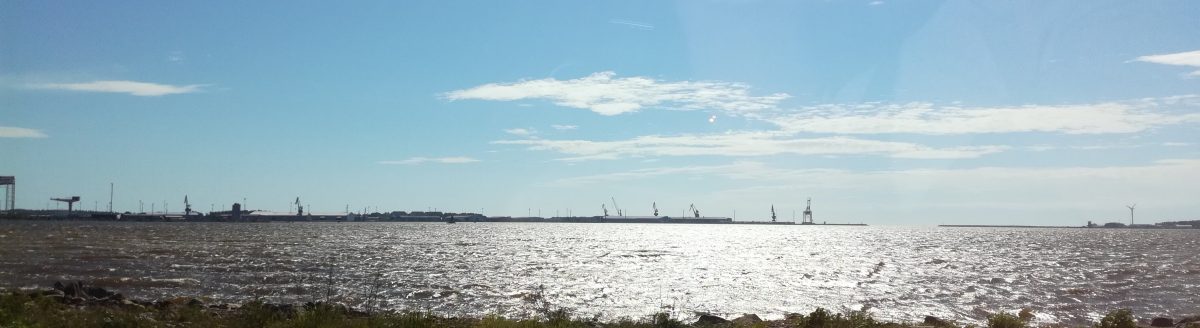
I am Katja Haulmark, an intern at the Maritime Logistics Research Center, and a soon-to-be graduate with a Bachelor’s Degree in International Business Administration from SAMK Campus Rauma. During my internship, I had the opportunity to investigate North American shipbuilding and maritime education, with a special focus on shipbuilding education. This research journey connected me to the industry’s rich history and its evolving future.
Historically, shipbuilding in North America has played a pivotal role – from Marco Polo’s ship, built in Canada and once promoted as the fastest in the world, to the birth of the U.S. Navy during the Revolutionary War. The post-war period saw shipbuilding flourish, spurred by the rise of piracy. Notably, during World War II, the United States produced 60% of the world’s shipping tonnage, supporting both its own fleet and those of its allies. These milestones provided valuable context for understanding today’s shipbuilding challenges, revitalization efforts, and the essential role education plays in sustaining the sector.
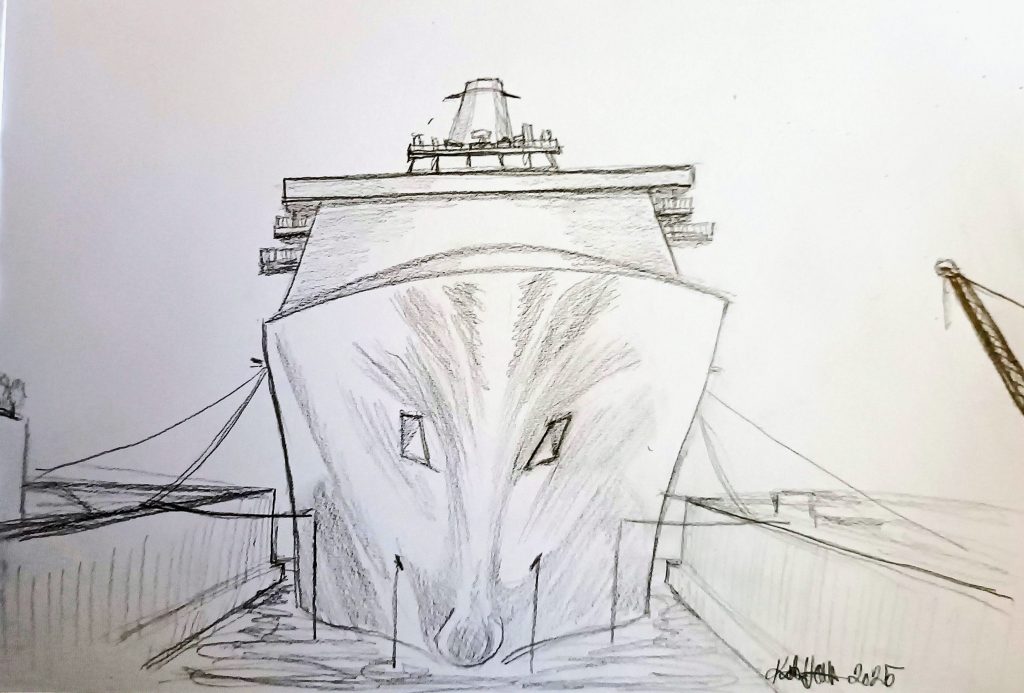
My research delved into the current state of maritime education and the ongoing efforts to revitalize the industry. Maritime education plays a critical role in preparing the next generation of skilled professionals needed to support technological advancements and sustainable practices in shipbuilding and logistics. These revitalization initiatives not only aim to modernize infrastructure and production methods but also create promising opportunities for research, innovation, and investment. Understanding these dynamics has deepened my appreciation of how education and industry development work hand in hand to secure the future of maritime commerce and research.
Deeper into the internship
Conducting research independently demanded discipline and resourcefulness. Accessing international resources required tools like VPNs and academic email addresses from universities abroad – resources I was fortunate to have through my previous exchange program at Washburn University. Additionally, the support and understanding of family and friends, who respected my work routine even while I was home, proved invaluable.
This internship has been both enjoyable and enlightening. Before this experience, I had not seriously considered research as a career path. Now, as I near the end of my internship, I can envision a future in research—drawn by the autonomy it offers, the flexibility to manage my schedule, and the satisfaction that comes from meeting deadlines and uncovering new knowledge.
For students considering research internships, I encourage you to embrace the opportunity. If you enjoy learning, problem-solving, and pursuing answers with curiosity, research could be a rewarding path for you.

Writer:
Katja Haulmark
Bachelor’s Degree Student in International Business Administration